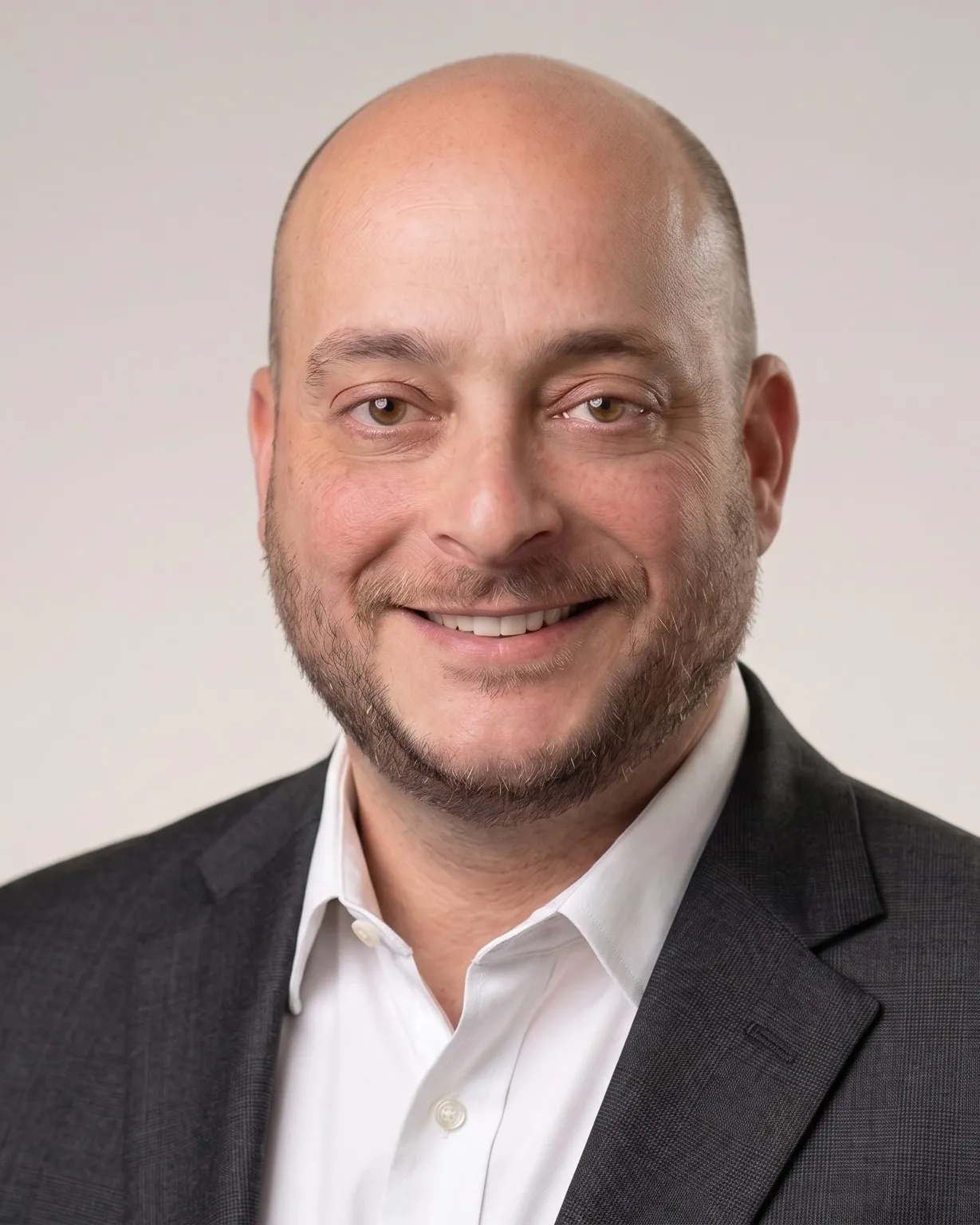
Hi, I'm David Rios.
I manage phone reputation — the messaging side and the voice side. A2P/10DLC brand and campaign registration, the rescues when those get rejected, caller-ID and “Spam Likely” remediation, attestation, and the ongoing work of keeping a growing fleet of numbers in good standing.
I came to it from the operator side. I run GoHighLevel sub-accounts and Twilio pass-through billing for live clients, which means I've been on the receiving end of this — the rejection with a code and no explanation, the vetting fee paid twice, the number that started returning Spam Likely and took the answer rate down with it before anyone noticed. I didn't study this problem. I got billed by it, repeatedly, and eventually got good at it.
How I work
Registration is cheap. Knowing what's actually wrong isn't.
Filling out a campaign registration is a commodity. It's fifty dollars on Fiverr, it's bundled into a package generator, and the platforms have started explaining rejection reasons in-product for free. I don't compete there and I'd tell you not to pay me for it.
The work worth paying for is the part nobody wants: the campaign that's been rejected three times, the call about whether a use case is fixable or permanently ineligible, the flag that's on two carriers but not the third, the attestation level your voice provider hasn't mentioned. That's diagnosis, and it doesn't come out of a form.
The other half is that none of it stays fixed. You add a sub-account, buy a number, change what you're sending, and the carriers change what they'll accept. Most of my clients start with a one-time piece of work and end up keeping me on, because the problem turned out to be a stream rather than an event.